
PACKAGING & CRAFT/Customisation process
How to order custom packaging: a complete 7-step guide
From the first conversation to quality checks and delivery, explore seven key stages covering quotes, contracts, sampling and production, with clear points to confirm at every step.

01Start by defining product and packaging needs
02Confirm the solution with a physical sample
03Produce and inspect against agreed standards
Packaging is often the first physical touchpoint between your brand and your customer. Whether you sell online, are launching a new brand or want to refresh an established product line, custom packaging can improve the unboxing experience and protect products in transit. Yet for many buyers, the journey from “we need boxes” to “the boxes have reached the warehouse” can feel like a black box.
How long will it take? What information does the supplier need? Who approves the sample? What happens if goods are damaged? Understanding the complete ordering process helps you address these questions.
This guide breaks the custom packaging process into seven stages—consultation, quotation, contract, pre-production sampling, production, quality checks and delivery, and after-sales service—so you know what to expect and how to work effectively with a supplier at each step.
The custom packaging process in seven steps
- Consultation—share product information and packaging goals so the supplier can recommend structures and materials.
- Quotation—receive a detailed quote covering materials, printing, tooling, minimum order quantity and lead time.
- Contract—record specifications, price, payment terms and delivery schedule in writing.
- Pre-production sampling—approve a physical sample before production.
- Production—the factory prints, die-cuts and assembles the packaging according to the approved sample.
- Quality checks and delivery—finished goods are inspected, packed and shipped.
- After-sales service—handle complaints, repeat orders and ongoing support after delivery.
1. Consultation and discussion
Every custom packaging project starts with a conversation. You describe the product, brand and requirements, and the supplier turns them into a packaging solution.
Prepare the following for your first consultation:
- Product information: product type, dimensions, weight, fragility and shelf requirements.
- Order plan: estimated quantity, order frequency and target launch date.
- Brand materials: logo files, artwork, colour preferences and design references.
- Budget and destination: target unit price and shipping destination, since logistics influence packaging design.
A good supplier will:
- Ask clarifying questions rather than quote blindly.
- Recommend box structures, materials and print options suited to your product and budget.
- Explain the trade-offs between cost, protection and the unboxing experience in plain language.
Communication is the foundation of the process. Establish a primary contact and communication channel early, and record key decisions in writing so they are not lost in email exchanges.

2. Quotation
Once requirements are clear, the supplier will issue a formal quote. A detailed quote itemises costs, helping you compare suppliers fairly and plan your budget.
A complete custom packaging quote usually includes:
- Materials and structure: board type, thickness and box style.
- Printing and finishing: ink colours, lamination, spot UV, embossing and other effects.
- Tooling and one-time charges: die-cutting dies and printing plates, listed separately from the unit price.
- Minimum order quantity (MOQ) and unit prices at different quantities.
- Sampling fees, production lead time and shipping options.
Compare total landed cost—unit price plus tooling, freight and any hidden charges—not just unit price. Ask suppliers to quote against the same specifications for a fair comparison.
Check for items that may be missing from the quote, such as design, outer-box or rush fees. A transparent supplier lists them upfront rather than adding them later.
3. Contract
After accepting the quote, both parties confirm the arrangement in a contract or pro forma invoice. The document protects both sides and should reflect every agreement reached during quotation.
Before signing, check that the contract includes:
- Product specifications: box style, dimensions, materials, printing and finishing.
- Commercial terms: quantity, unit price, total amount, currency and quote validity.
- Payment terms: typically a deposit before production and the balance before shipment, with amounts and timing clearly stated.
- Delivery terms: production lead time, Incoterms, shipping method and destination.
- Quality standards: the approved sample as a reference and an agreed acceptable defect rate.
- Breach and claims: how delays, quality issues or damage will be handled.
A simple habit can prevent problems: compare the contract and quote line by line before signing, and keep records of communications confirming the specifications.
4. Pre-production sampling
Sampling is one of the most valuable steps in custom packaging. A physical sample lets you check structure, materials, colour and finishes before production; finding and fixing issues at this stage generally controls costs better than addressing them after a full run.
There are usually two types: a structural sample, also called a white or hand sample, checks dimensions and assembly; a printed pre-production sample checks colour and finishing. Complex projects may need both.
When the sample arrives, check:
- Whether dimensions and load capacity suit your actual product.
- Whether printed colours match Pantone references and brand guidelines.
- Materials, thickness and stiffness.
- Assembly, closure and the unboxing experience.
- Finishing details such as lamination, spot UV and embossing.
Approve the sample by email or signature, and retain the approved sample or photographs. This approval becomes the quality reference for production. Sampling and shipping fees are often charged separately; many suppliers refund or credit the sampling fee after a production order, so confirm the policy in advance.

5. Production
After sample approval, the order enters production. The factory sources materials, prints and finishes them, then die-cuts, folds and glues the boxes before packing them for shipment.
A reliable supplier provides a production schedule and updates at key milestones. For a first order especially, agree on milestones and request progress photos or brief updates.
Remember: changes can be expensive once production starts. Artwork or structural changes after sample approval may add cost and lead time; significant changes may require another sample. Finalise the design before production.
For seasonal or promotional products, consider repeat-order lead time, inventory and demand forecasts together, and confirm replenishment arrangements with the supplier in advance.
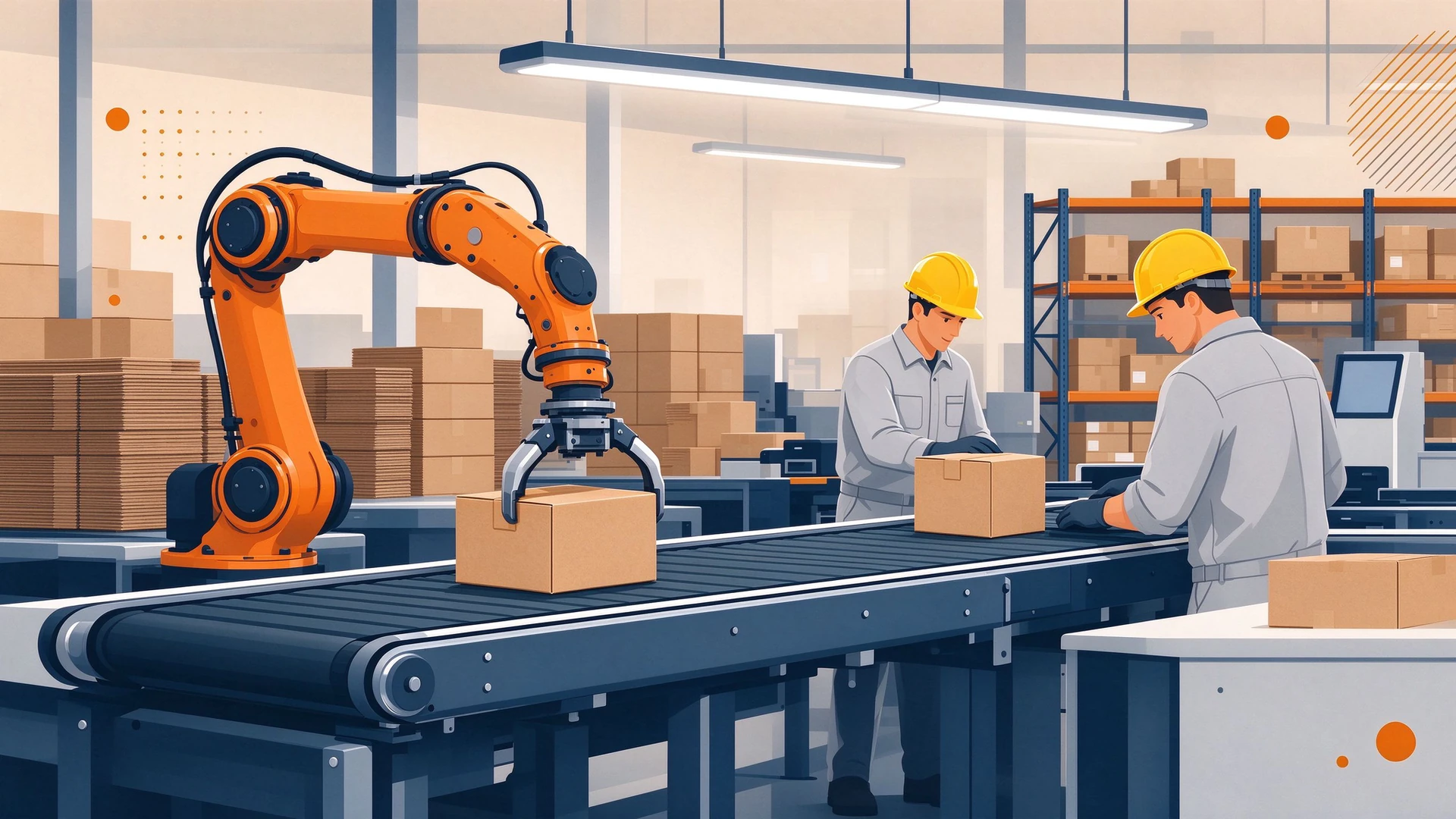
6. Quality checks and delivery
Boxes are inspected before leaving the factory. Inspections usually occur during production to check print and structural consistency, and before shipment to check defects, quantity and packing.
Depending on order size and requirements, inspection may be performed by:
- The supplier's own quality team using a checklist.
- A third-party inspection provider such as SGS or Bureau Veritas.
- You or your representative at the factory.
Routine checks include box dimensions, print colours and registration, surface defects, structural integrity, quantities and shipping cartons.
Confirm shipping methods and Incoterms early. Choose sea freight, air freight or courier based on destination, quantity, budget and timing. Request loading photos, a packing list and commercial invoice before shipment, then confirm the tracking information.
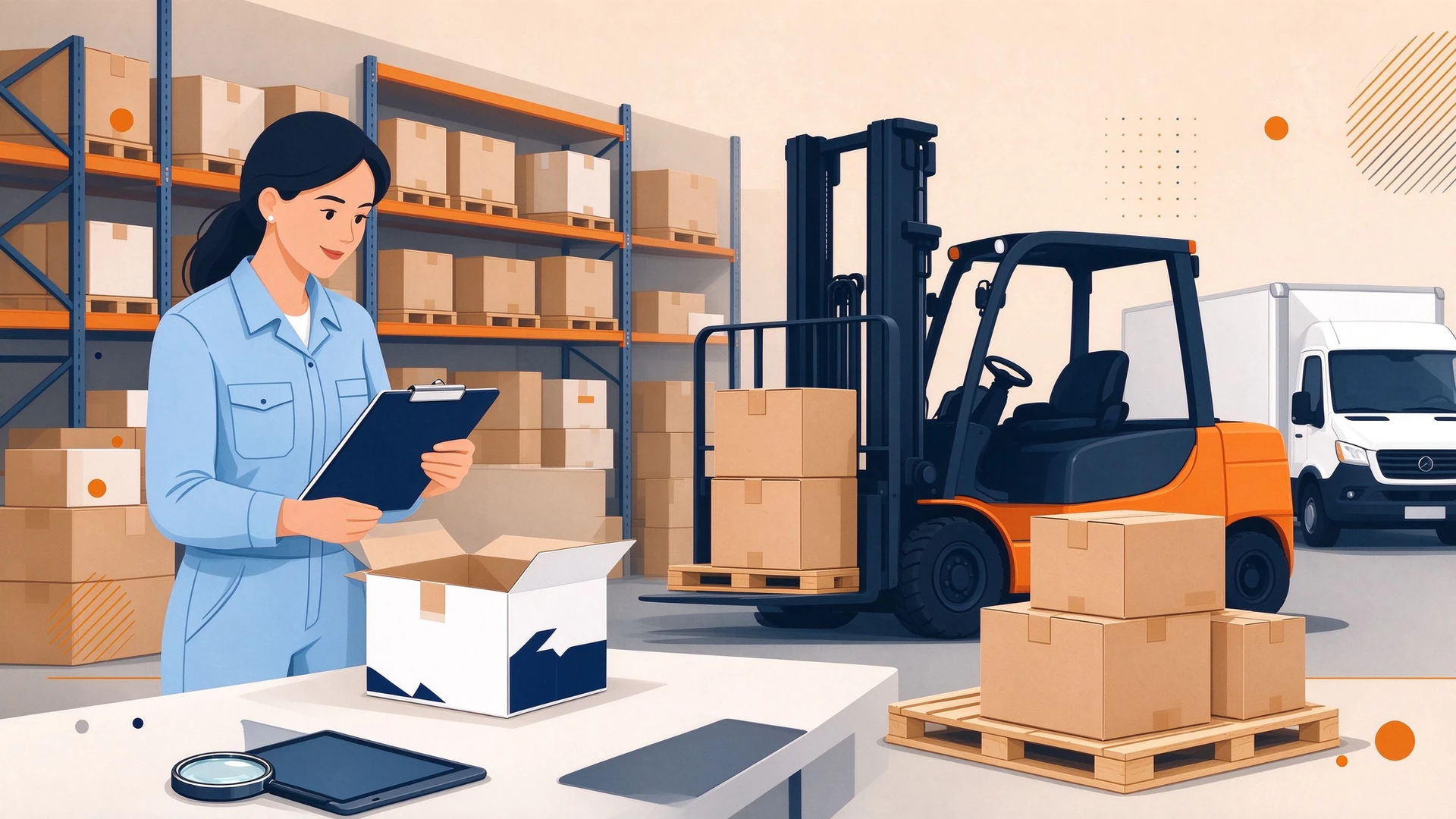
7. After-sales service
A good packaging partnership continues after delivery. A professional supplier has a clear process for reporting and resolving damage, defects or shortages.
Agree on the complaint-handling process with your supplier before production:
- The claim window after receipt, as agreed by both parties, and required evidence such as photographs and packing records.
- Whether affected quantities will be reworked, replaced or refunded.
- How responsibility is assigned for shipping damage versus manufacturing defects.
Keep approved samples, artwork and specification records. They help make repeat orders faster and more consistent and provide a reference for future quality disputes.
Frequently asked questions
How long does the custom packaging ordering process take?
The total timeline depends on complexity, sampling rounds, order quantity and shipping. A simple structure with one sample round and standard production is generally faster than a complex project with multiple revisions. The supplier should provide a milestone schedule at quotation and update it as the project progresses.
What is the minimum order quantity (MOQ) for custom packaging?
MOQ varies by box style and material. Suppliers often set it from hundreds to thousands of units, with lower quantities sometimes available for trial orders or standard formats. Ask for prices at different quantities when planning your budget.
Do I have to pay for samples?
Usually, yes. Sampling fees cover materials, labour and shipping. Many suppliers refund or credit the fee after a production order. Confirm the fee policy and included revision rounds before paying.
What information should I prepare before requesting a quote?
Key details include product type, dimensions and weight, order quantity, protection and shelf requirements, branding and artwork, budget and shipping destination. More complete information makes the quote more accurate and useful.
Can I change the design after approving a sample?
Minor changes may be possible, but any change after approval can affect cost and timing. Structural or print changes often require a new sample. Finalise everything before approval and communicate any changes promptly in writing.
FROM IDEA TO UNBOXING
Turn your packaging needs into a clear plan
Tell us your product dimensions, estimated quantity and delivery schedule so we can confirm suitable structures, materials and processes together.
Discuss packaging requirements View related packaging products
Transit packaging tests
ISTA 1A vs 2A: Which Packaging Test Actually Stops Your Products From Arriving Broken?
Read article ↗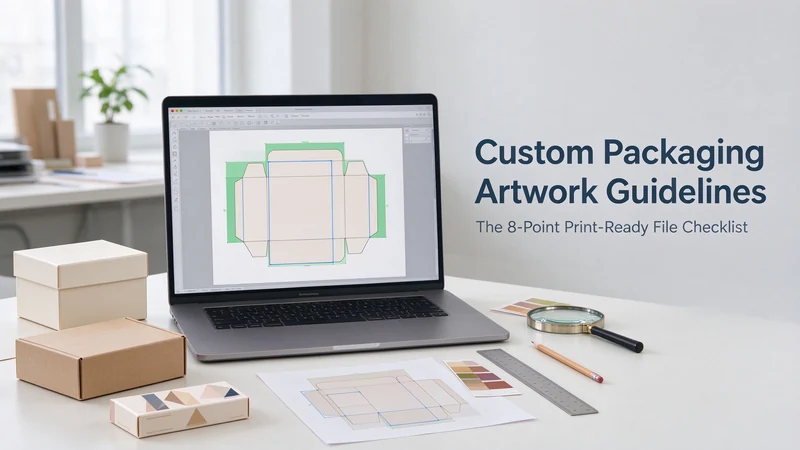
Artwork submission
Custom packaging artwork: 8 prepress checks
Read article ↗
Carton selection
How to choose a folding carton for your product
Read article ↗
Sustainable design