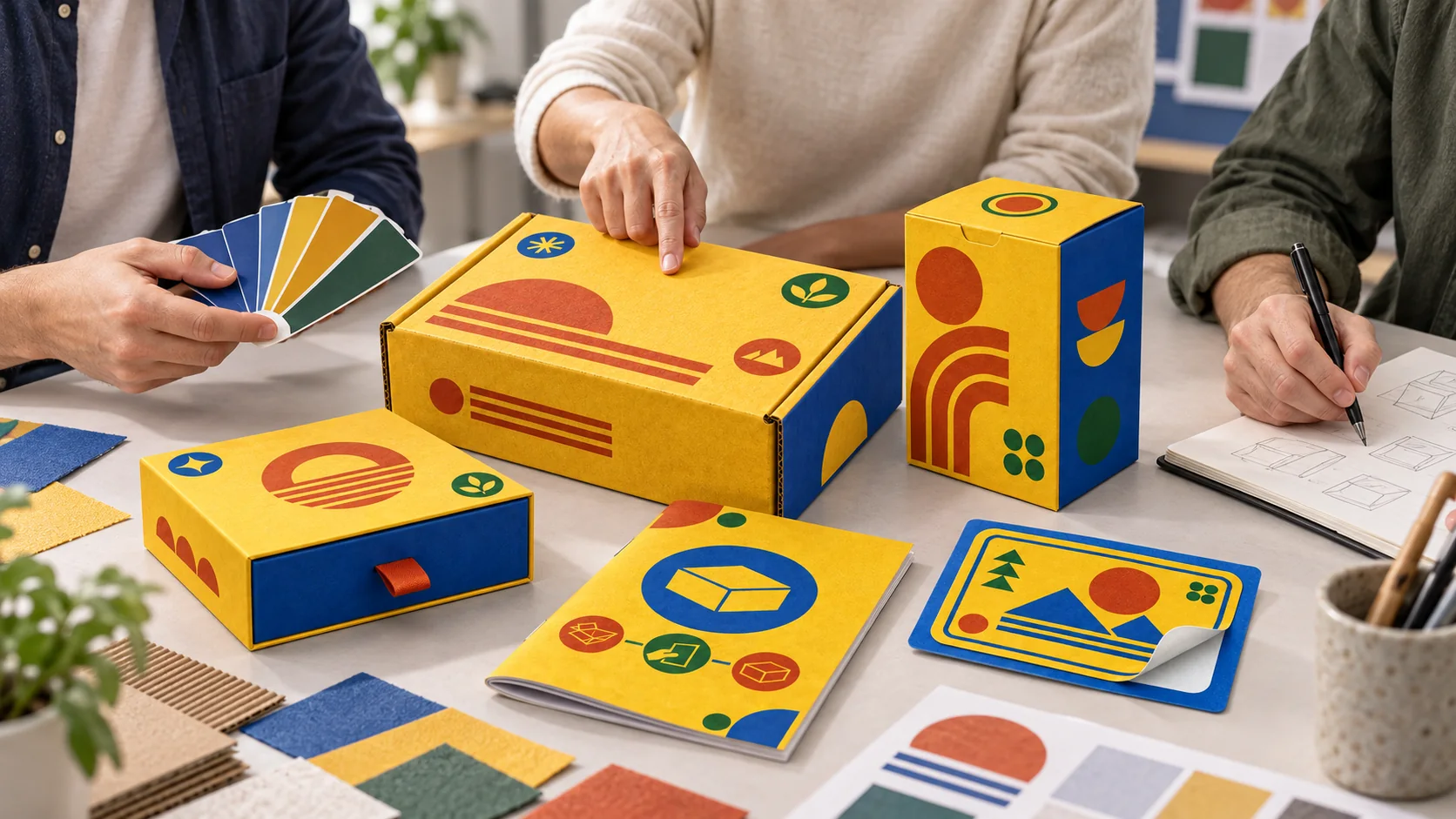
REDUCE
Size for the product
Consider dimensions and structure to reduce unnecessary space while retaining protection for shipping and use.


SUSTAINABILITY
Starting with paper-based materials, packaging structures and transport, we discuss solutions suited to the project, its protection needs and actual recycling conditions.
Explore material and structural choicesOUR APPROACH
Reduce unnecessary materials and packaging layers while meeting product protection requirements.
Material use, reuse and recycling conditions must be assessed in context. We discuss possible improvements across design, material selection, production coordination and transport.
From an idea to more considered packaging.
01 / CONSIDERED DESIGN
Review packaging layers and space against product dimensions, weight, assembly and protection requirements. Confirm the outcome through samples and project records.
Consider dimensions and structure to reduce unnecessary space while retaining protection for shipping and use.
Assess the potential for reuse based on the box structure, opening method and environment.
Review material combinations, attachments and component separation, then confirm the solution against actual recycling conditions.
Consider recycled paper or certified paper appropriate to the project, and verify material sources, supply-chain documents and scope individually.
02 / MATERIAL MATTERS
Select materials based on paper strength, weight, print requirements and use conditions, while considering attached components, finishes and subsequent sorting.
Confirm the suitability of materials and processes for the specific product, use environment and recycling conditions.
03 / WORKING TOGETHER
Agree on materials, samples, inspections and delivery early so both teams work to the same brief.
04 / RESOURCES, RESPECTED
Assess materials and delivery options using the product dimensions, units per case, production steps and shipping conditions.
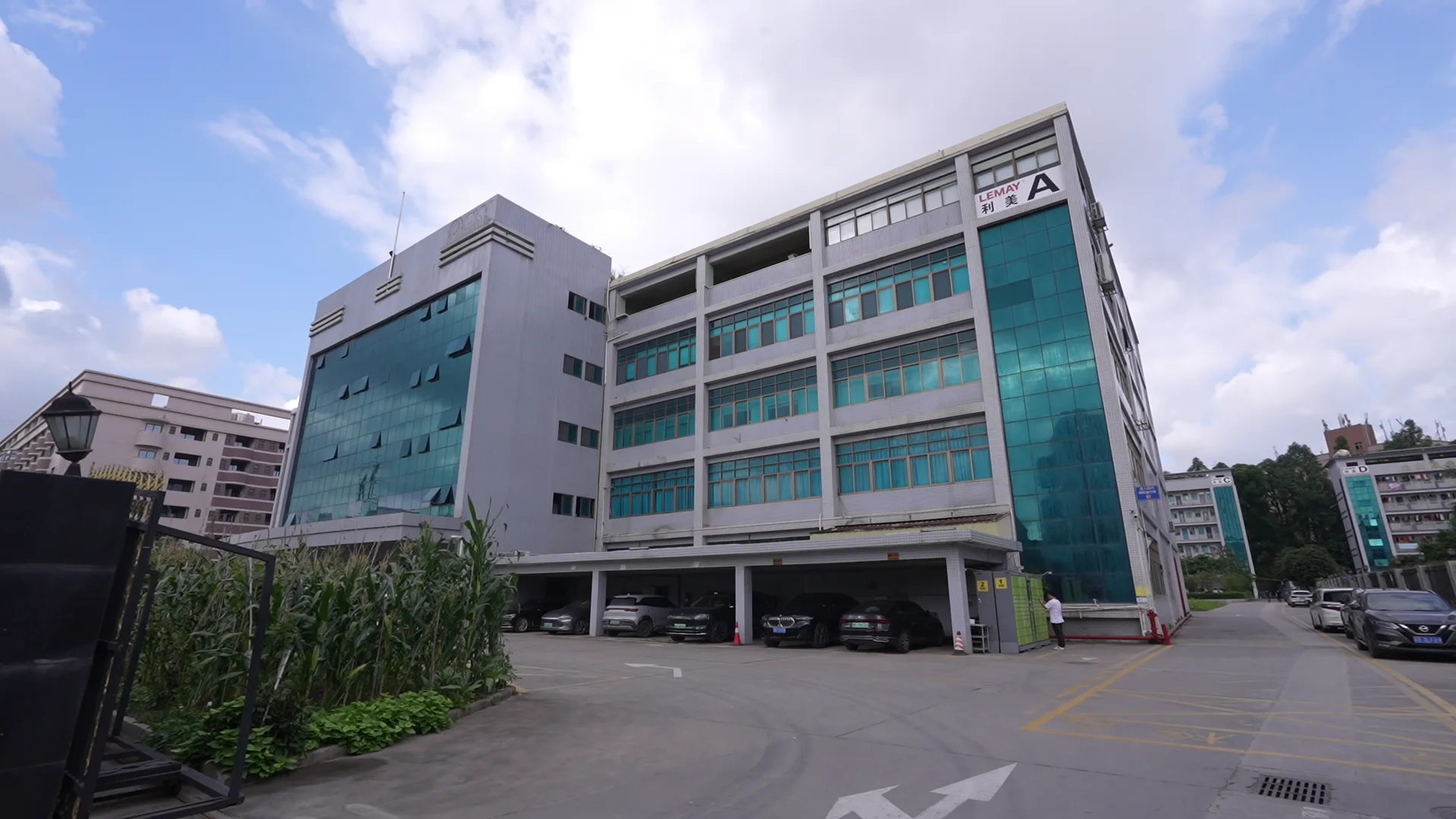
Consider paper use and internal space alongside product dimensions, packing quantities and layout, while retaining necessary protection.
Confirm artwork, printing and finishing requirements early to reduce rework caused by changing information.
Confirm outer-box dimensions and packing methods according to storage, handling, stacking and transport conditions; verify actual results for each project.
05 / MATERIALS · PRINT · MANAGEMENT
Review evidence of material sourcing and quality and environmental management as needed, including certificate holder, number, scope and validity.
Supply-chain management for paper and related materials that meet certification requirements. Check supply-chain documents and project requirements to determine whether a specific order qualifies.
Check the certificate for the holder, scope and expiry date. Environmental management certification applies to the management system; it does not establish the environmental performance of a particular package.
Standardised processes support management of production and product quality. The applicable holder, scope and validity are determined by the valid certificate.
Check individual qualifications, applicable projects and mark usage conditions against valid documentation.
Check the authorised holder, scope and permission for public display of the existing facility mark.
The marks on this page illustrate categories of documentation that require verification. Certificate holder, number, scope, validity and mark usage permission are determined by the relevant valid documents; a mark does not mean every package is covered by that certification.
Discuss materials and packaging structures for your product
Discuss a packaging solution